Integrated Ceiling Pendant System – Smart ICU Equipment Organization
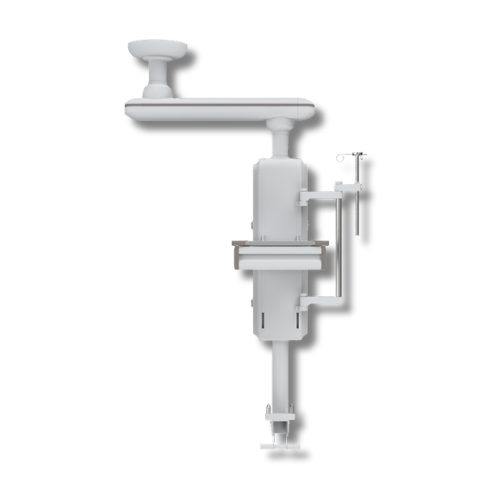
The Ceiling Pendant System from Saikang Medical, also known as the Anesthesia Medical Bridge Ceiling Pendant, is a sophisticated hospital infrastructure solution designed to help healthcare facilities organize medical gas delivery, electrical power distribution, data connections, and bedside equipment within a single, efficient, ceiling-mounted structure. This Ceiling Pendant System represents an essential planning component for any modern intensive care unit, critical care department, or recovery room seeking to optimize equipment accessibility around the patient bedside.
Solving the Equipment Organization Challenge:
Critical care environments present a unique logistical challenge: numerous medical devices, gas lines, electrical connections, and monitoring equipment must all remain readily accessible around a single patient bed, without creating a cluttered, hazardous, or inefficient working environment for clinical staff. Floor-mounted cables, wall-mounted gas outlets, and scattered equipment stands can create tripping hazards, limit staff mobility around the bed, and complicate emergency response situations where quick, unobstructed access to the patient is absolutely critical.
The Ceiling Pendant System directly addresses this challenge by consolidating gas terminals, electrical sockets, data ports, and equipment mounting points into an overhead structure that keeps the floor area around the patient bed completely clear. This elevated approach allows medical staff unrestricted movement around the bed from any angle, which is particularly valuable during emergency interventions, multi-disciplinary care situations, or complex procedures requiring simultaneous access from multiple staff members.
Core Functional Components:
A well-designed Ceiling Pendant System typically integrates several essential infrastructure elements:
- Medical Gas Delivery – Centralized access to oxygen, medical air, vacuum suction, and other essential gas services required for respiratory support and general patient care.
- Electrical Power Distribution – Multiple electrical outlets positioned conveniently for connecting monitors, infusion pumps, ventilators, and other powered medical equipment without relying on floor-level extension cords or power strips.
- Data Connectivity – Network and data ports supporting the integration of electronic patient monitoring systems, hospital information systems, and connected medical devices increasingly common in modern critical care environments.
- Equipment Mounting Points – Structural attachment points allowing monitors, IV poles, and other bedside equipment to be securely mounted at optimal heights and angles for both patient safety and staff accessibility.
Strategic Planning Considerations:
Selecting and installing the appropriate Ceiling Pendant System requires careful planning as part of a broader integrated hospital equipment project. Several critical factors must be evaluated to ensure the system meets the specific operational needs of each department:
- Department Layout – The physical configuration of the ICU, critical care unit, or recovery room significantly influences the optimal pendant placement and reach configuration.
- Number of Beds – Larger departments with multiple patient beds may require multiple coordinated pendant systems or more complex bridge configurations spanning several bed spaces.
- Required Gas Terminals – Different departments have varying gas service requirements depending on the acuity level and typical patient conditions treated in that specific area.
- Electrical Socket Standards – Compliance with local and international electrical safety standards must be factored into the system specification to ensure regulatory compliance and operational safety.
- Equipment Load Requirements – The anticipated weight and quantity of equipment that will be mounted on or connected to the pendant system must be calculated to ensure structural adequacy.
- Staff Access and Workflow – The pendant’s reach, rotation capability, and positioning must support efficient clinical workflow without creating obstructions during routine care or emergency response.
- Maintenance Requirements – Long-term serviceability considerations, including accessibility for technical maintenance and component replacement, should factor into the initial system selection and installation planning.
Benefits of a Well-Planned Ceiling Pendant System:
- Clear Floor Space – Eliminates tripping hazards and allows unrestricted staff movement around the patient bed.
- Improved Emergency Response – Quick, organized access to gas and power connections during critical situations.
- Enhanced Equipment Organization – Reduces clutter and improves the overall visual and functional organization of the critical care bedside area.
- Flexible Positioning – Rotating and adjustable pendant arms allow equipment to be positioned precisely where needed for each specific patient care scenario.
- Supports Modern Technology Integration – Built-in data connectivity accommodates the growing integration of connected medical devices in contemporary healthcare delivery.
Applications: This Ceiling Pendant System is specifically designed for intensive care units, critical care departments, post-anesthesia recovery rooms, operating theatres, and any high-acuity care area requiring organized, overhead access to medical gas, power, and data services.
Why Choose the Saikang Ceiling Pendant System?
Available through Biofilt Corporation as part of a comprehensive integrated hospital equipment solution, the Saikang Ceiling Pendant System provides the thoughtful infrastructure planning that modern critical care environments demand. For hospitals designing or upgrading ICU and critical care spaces, this pendant system delivers the organizational efficiency and clinical accessibility essential for delivering excellent patient care.